
Application
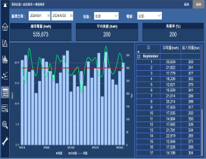
Energy Management System (EMS) provides a comprehensive solution to help businesses achieve high efficient energy use and strictly control carbon emission. The system monitors and analyzes energy consumption data in real-time, assisting businesses in formulating precise energy strategies to save maximize energy. This not only significantly reduces energy costs but also ensures that businesses comply with global environmental regulations, enhancing their corporate social responsibility image. The system is developed in the form of Power BI, allowing businesses to modify and maintain the design according to their future needs.


Feature
Energy Efficiency:
The system can track various energy usage in real-time. Through efficient data collection technologies, it can instantly gather energy usage data to ensure accuracy and timeliness, and quickly identify abnormal or high-energy consumption, enabling targeted optimization and adjustments.
By fully understanding energy consumption patterns, the system identifies high-energy consumption areas, reveals trends and changes of energy usage and targeted improvements.
Alert Settings:
By setting alert, the system can send notifications when energy usage is abnormal or exceeds limits, helping businesses immediately take action.
In view of analysis of historical data, the system can accurately identify normal ranges and set corresponding alarm standards, reducing production interruptions caused by energy abnormalities and immediately notifying managers to resolve issues swiftly.
The system uses historical and real-time data to conduct trend analysis, predicting future energy demands and consumption trends. By combining historical data with live monitoring data, it can identify seasonal fluctuations, periodic changes, and trends related to production activities.
Energy resources can be optimized by planning in advance. Through analysis of historical data and real-time demand forecasting, the system helps create detailed energy usage plans to ensure proper energy supply during peak demand periods.
Resource Allocation:
The system can analyze the relationship between energy use and production capacity, helping businesses adjust production strategies and resource allocation. A detailed review of energy consumption data allows for identifying correlations between energy use and output, understanding the efficiency of energy use in different production processes.
Through data insights, businesses can allocate resources more efficiently, ensuring sufficient energy support during peak demand periods while reducing unnecessary consumption during low-demand times.
Carbon Emission Management:
By using real-time energy source and consumption data, the system calculates greenhouse gas emissions, which can serve as the basis for carbon footprint assessments.
By analyzing this data, the system can identifies high-emission areas and optimizes energy use and processes to further reduce emissions, ultimately improving environmental performance.
 和稻有限公司